 The rumba is the most prominent music genre in Cuba. It is a spontaneous, lively beat that inspires listeners to dance. The upbeat rhythm is the best way to identify rumba music; It is a spirited mix of percussion beats and vocals. These sounds originated from African music, which was brought to Cuba from Africa during the slave trade. The dances and music of rumba have changed over time as Cuban musicians began removing the African elements to appeal to tourist audiences. The rumba has changed and branched into other genres, such as salsa and mambo. All Cuban music stems from the rhythms and beats from rumba, and its core can be found in any style of music.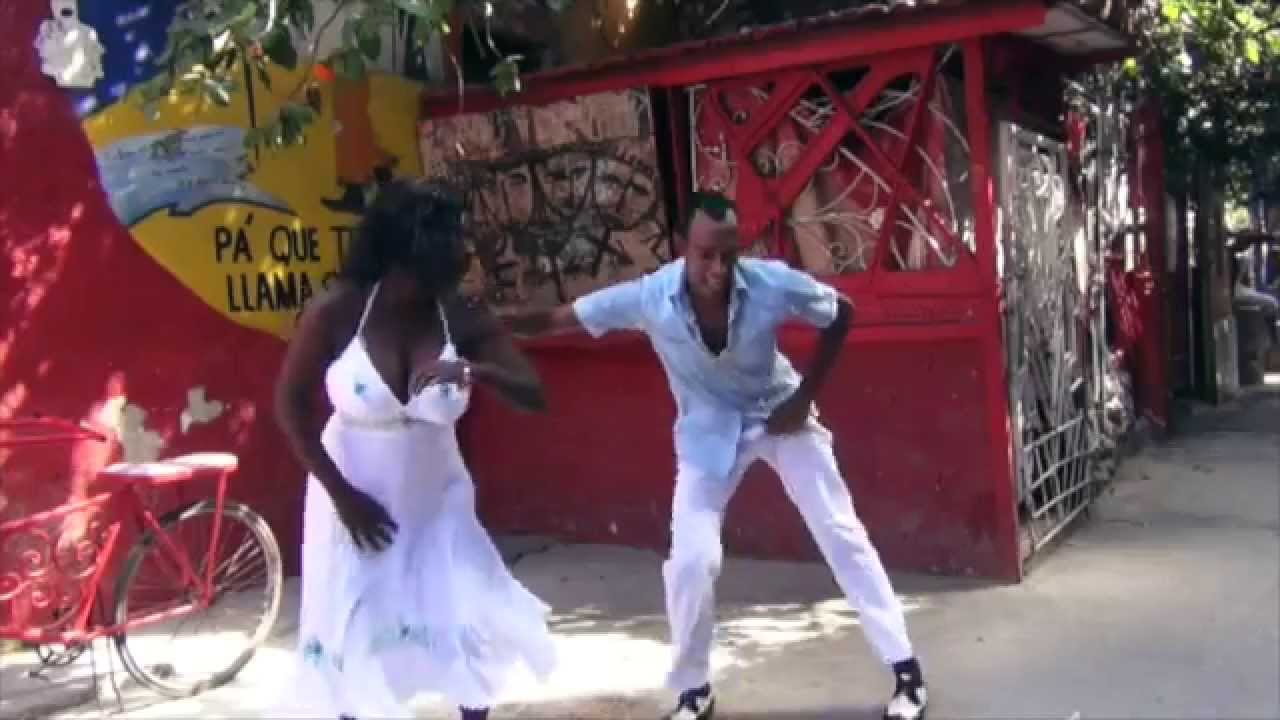
There are three primary types of rumba dance: Colombia, Guanguancó, and Yambú. Colombia is a dance only for a man, and typically the man dances alone. This style is associated with more deprived areas and the countryside. Guanguancó is associated with Havana’s black neighborhoods. Though the music lacks African phrases and words, and the vocals are sung entirely in Spanish. The dance in the Guanguancó style includes a man and a woman, and the dance itself represents the man’s pursuit of the woman. Lastly, the Yambú is an older style than the Guanguancó and is much slower. The dance is meant for a man and a woman. It represents a woman flirting with a man, so the focus is mostly on her, rather than the man. The Yambú dancers pride themselves in the ability to dance in perfect harmony with the music.
While rumba is played and enjoyed by people of all socioeconomic statuses’; from the Danzón, Son Cubano, Charanga, and much more. The rumba is still has a significant association with more impoverished people and their neighborhoods. This can be shown through the instruments the musicians use on the streets: spoons, wooden containers, sticks, and many other makeshift instruments. The musicians are incredibly resourceful and use anything that they can to bring the notes to life. The sound and rhythm of rumba are still evolving as it gains more support. The socialist government has sought to elevate rumba’s status, for the goal of valorizing the African contributions to Cuban identity and culture. Now, the rumba is present everywhere and poses as much of a political symbol as it does an art symbol.
Questions:
-In what other ways do you think the rumba is so vital to Cuban society?
- How would rumba have evolved differently if musicians had access to “real” instruments?
- How does the rumba’s connection to Cuba’s identity as a country help the government of Cuba or the tourism industry?

Hi Jana,
ReplyDeleteI always find it so interesting how the slaves of countries contribute to so much of the culture! For me, this is something that makes me smile as it feels like by practicing the music/dance they created, we are keeping them alive and celebrating them for all they did. Before this class, I never knew that all the rhythms found in Cuban music and dance stemmed from Rumba. I always thought it was a dance style, unique to anything else. Additionally, to answer one of your questions, I think if musicians had access to "real" instruments the sounds found in rumba would differ, but I believe the rhythms and lyrics would stay the same as these are both influenced by the people and not the instruments. Lastly, to answer your final question, I think rumba's connection to Cuba's identity helps the government of Cuba and the tourism industry because its a piece of Cuba people can access worldwide. Because its a music form that holds so many Cuban roots, its easy for so many around the world to learn about Cuban culture. Furthermore, I think the music sparks a fascination with its listeners and influences people to come visit Cuba and spend money, helping both the government's economy and the tourism industry.
Ingrid,
DeleteI totally agree that art forms such as the rumba can do so much for the government and the tourism industry. Like you said, it is a piece of Cuba. I liked that you said that music can spark a fascination, which is so true. I am so curious to see if we recognize the significance of the Rumba while we are there.
Jana,
ReplyDeleteBecause of its African derivatives, I strongly believe that rumba is a direct connection to many Cuban's ancestral roots and serves as a reminder of their spirit despite them being slaves. Having this connection is a pivotal part of Cuban society, along with African inspired art and dance. I think that rumba would have evolved in a manner that wouldn't have been as appreciated if the musicians has access to legitimate instruments. Rumba wouldn't have served as such a relevant base to other music styles if that were the case, because those music styles didn't develop until "real" instruments were involved. Tourists love to buy and see African art, which includes music and performances. Rumba, serving as a basis for a lot of Cuban music, is going to be everywhere. Dancers and musicians put on shows at resorts or hotels, or even in the streets, stimulating the economy in a way only those masters of rumba can accomplish. With all this being said, do you think that if the African slave trade never happened that rumba would still become a thing?
Emely,
DeleteI feel the same way, these art forms are a way to connect with African roots and appreciate their culture. I defiantly don't think it would be the same rumba we see today if there was no slaves brought to the island. If Cuba did't have that history there would be no need to celebrate African culture. I think it not only preserves the African culture but also serve as a reminder of the great oppression that black people were put trough and continue to face, they have reclaimed their identity.
Hey Jana,
ReplyDeleteWell first off let me start off by saying I am so excited to learn rumba when we are in Cuba. After doing a blog on music I know that dancing is huge in Cuba, and there are a variety of places to learn, practice, and observe dancing. The locals are skilled and fluid, able to move beautifully across the dance floor. Foreigners often come to Cuba to learn to dance, and really, this is the best place in the world to do so. Rumba is so vital to Cuban society because as many people know, Cubans are very outgoing, welcoming and there is a lot of live music that gets going. People in Cuba that are part of environments like this typically sip drinks at the bar and hit the dance floor to unleash some seriously smooth moves. Cuba’s dance scene is spectacular and should be incorporated into any trip to this Caribbean island.